Things My Baby Loved — and Pediatricians Didn’t (From a Real Mom)
Let’s talk about things babies love… moms love… but pediatricians don’t always recommend.
Of course, when a pediatrician tells us not to do something, there’s usually a good reason—especially when it’s meant to prevent a real safety risk.
But let’s be honest 😅
As moms, sometimes we’re balancing expert recommendations with real life.
And every now and then, we draw a line and say:
“Okay… we’ll stop here. This helped us, even if it wasn’t the medically perfect choice.”
Always consult your pediatrician. This article shares my personal experiences as a mom, combined with recommendations from the American Academy of Pediatrics (AAP).
This article isn’t about ignoring your pediatrician.
It’s a real mom’s perspective—sharing honest experiences with products babies love, alongside what pediatricians are cautious about.
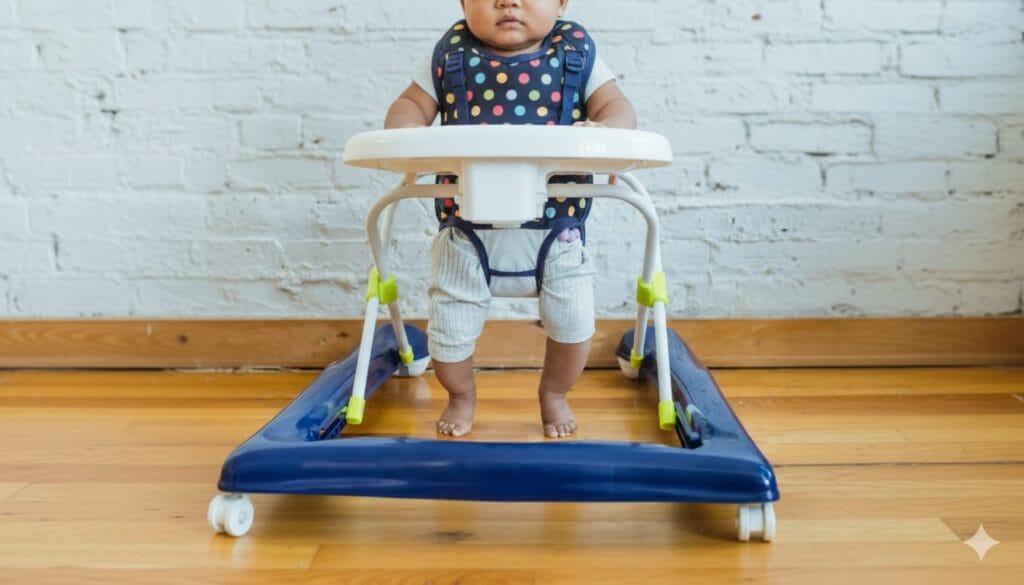
1️⃣ Baby Walker
Why pediatricians are cautious:
Most pediatricians warn against baby walkers because they can delay walking, affect leg alignment, and create safety hazards. Walkers don’t teach balance the way floor play does.
My experience:
I used a walker with my first daughter when she was 6 months old. She loved it and could sit there for long periods—but she ended up walking late at 15 months. I definitely won’t be using it again!
Safe alternatives / fun play:
Tummy Time & Play Mat: Strengthens neck, shoulders, and core. Add a few sensory toys to make it fun!
Floor Play: Let babies explore safely on the floor with open-ended toys.
Short-term Baby Jumper: Only 10–15 minutes at a time, after head control, on the floor.
Want more ways to make tummy time fun and engaging? 👉👉Check out my full Tummy Time Guide for easy sensory play ideas!

2️⃣ Pacifier
Why pediatricians are cautious:
Overuse can interfere with breastfeeding, affect oral development, and make babies dependent on the pacifier instead of learning other self-soothing skills.
My experience:
Most of my babies completely refused pacifiers. I tried different shapes, brands, and recommendations—but nothing worked. In the end, my babies seemed to follow their pediatrician’s advice better than I did 😅.
Safe alternatives / soothing tips:
Skin-to-skin contact
Gentle rocking
Tummy time + sensory play
White noise or calming sounds
Using a pacifier doesn’t make you a “lazy mom,” but relying on it for every cry might make you miss what your baby truly needs.
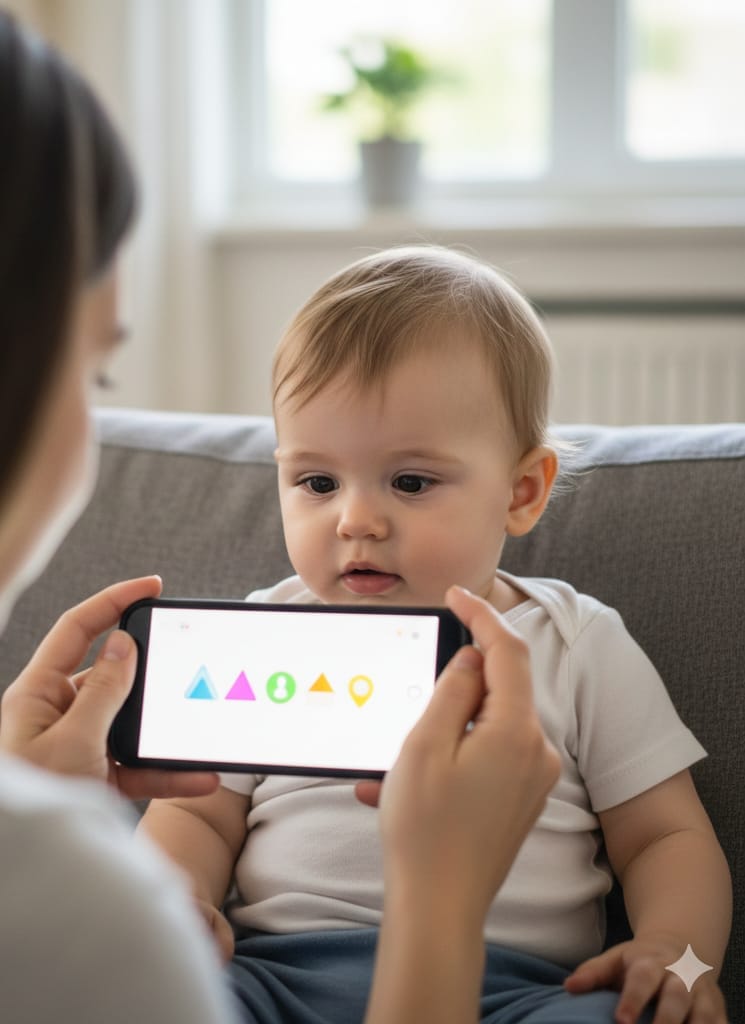
3️⃣ Screens
Why pediatricians advise against them:
Screens can interfere with sleep, attention, and language development—especially for babies under 18 months.
My experience:
I used screens with one of my children for a short period, believing they might help with learning or early speech. Instead, I noticed sleep disruptions, irritability, and weaker language development. For my other children, I avoided screens entirely—or allowed very limited, calm, educational videos for no more than 15 minutes a day. Loud, fast-paced content was a hard no 🚫
Better alternative:
Turns out, no screen can compete with real-life sensory play. Simple, hands-on activities made a bigger difference than any video ever did—I’ve 👉👉shared our favorite sensory play ideas here.
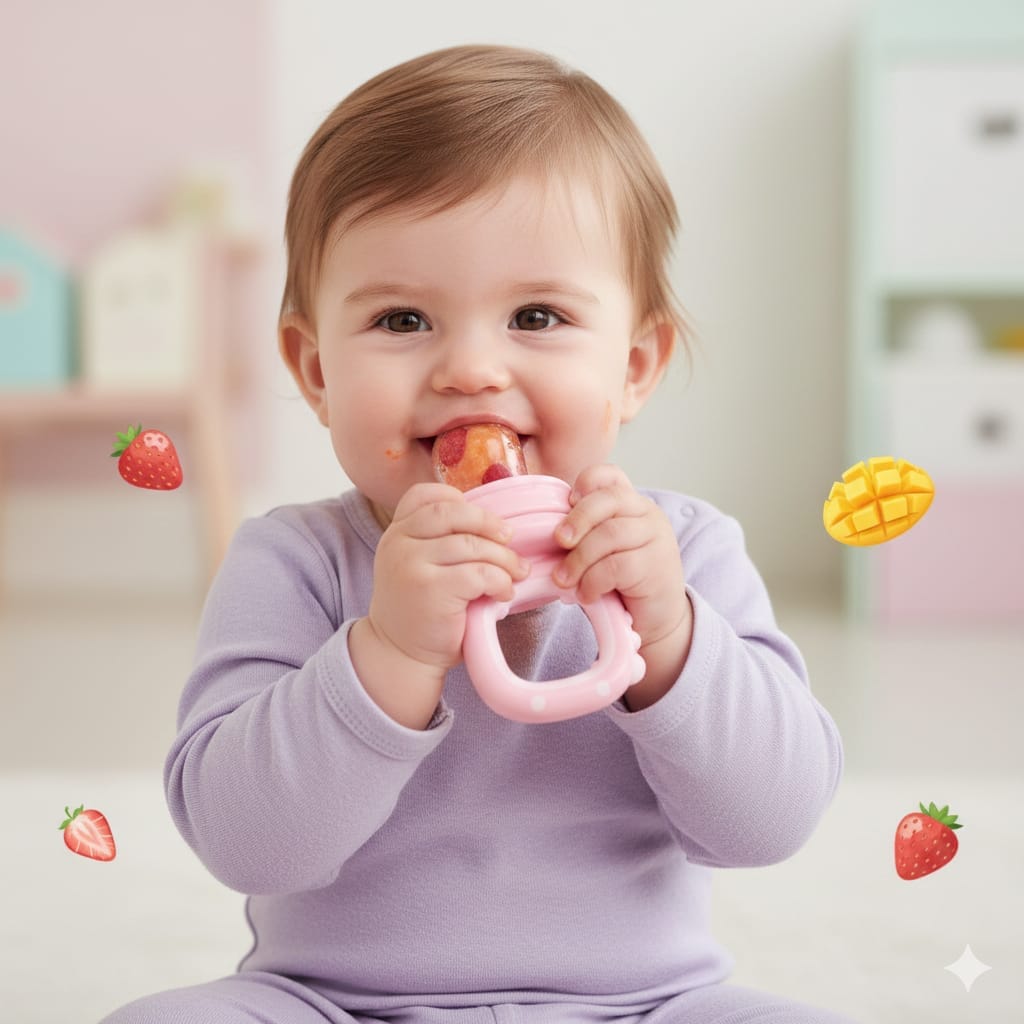
4️⃣ Fruit Feeder / Teether
Why pediatricians are cautious:
Can limit chewing skill development
Overuse may increase early sugar exposure
Might replace exploring real textures naturally
My experience 😅:
I found the fruit feeder incredibly helpful with my daughter Raya – a high needs baby. She was often fussy, especially during teething, and the feeder saved me! She could calm down for long periods, but of course, I always supervised her.
Safe usage tips:
Limit fruit and frequency
Use age-appropriate soft fruits
Encourage real chewing with finger foods
Combine with sensory play (textures, touch, small bites)
This link is an affiliate link – I might earn a small commission if you buy, but your price stays the same. Thanks for supporting me! 💖” 👉👉 Amazon suggestion:
I used a fruit feeder with mini freezer trays—so I could freeze breastmilk or fresh fruit for Raya. It made teething time much easier, and she loved exploring the chilled treats safely. (BPA-free, safe for self-feeding, 2-pack with extra food pouches.)
5️⃣ Rocking Chair / Baby Swing Sleep
Why pediatricians are cautious:
Pediatricians generally don’t recommend long-term sleep in swings or rocking chairs.
Babies can become dependent on motion to fall asleep, which makes it harder for them to self-soothe in a crib.
There’s also a safety concern: prolonged sleeping in inclined seats can affect breathing and posture.
My experience 😅:
One of my children became very used to sleeping in the baby swing. I noticed that when it was time to sleep without it, he would move his head rapidly from side to side, trying to mimic the rocking motion. It was heartbreaking 😮💨. Teaching him to sleep independently felt almost like weaning. I learned my lesson: swings are for short, supervised naps only—not all-day or overnight sleep.
Safe alternatives / tips for better sleep:
Crib or bassinet for all sleep times
Flat, firm mattress + fitted sheet
Baby sleeps on their back (AAP safe sleep recommendation)
Consistent bedtime routine
Dim lights, gentle rocking or cuddling before laying in crib
White noise or lullabies
Tummy time & play before naps
Helps burn energy and makes sleep more restful
Gradual sleep training
Allow the baby to learn self-soothing slowly
Avoid motion dependency
Golden tip: Use swings or rocking chairs sparingly—short naps or playtime is fine, but always prioritize crib-based sleep to encourage healthy, independent sleep habits.
6️⃣ Natural Fruit Juices
Why pediatricians are cautious:
Pediatricians generally don’t recommend fruit juice for babies under 1 year, because it’s high in sugar and low in fiber. Juice can also increase the risk of dental cavities and reduce the baby’s interest in whole fruits.
My experience 😅:
I used to try giving natural juice to my little ones, thinking it would help them enjoy fruit or drink more vitamins. What I noticed instead was higher sugar intake and less interest in real fruit. On top of that, the juice often filled my baby’s tiny stomach, leaving less room for breastmilk or formula—which could affect growth during the first year.
Safe alternative / what worked better:
Whole fruit, mashed or pureed, sometimes diluted with water or breastmilk
Retains fiber and natural sweetness, with less sugar
Supports chewing skills and learning textures
Perfect for teething babies
Golden tip: A little mashed fruit goes a long way—and your baby gets the taste, fiber, and nutrients without the sugar spike from juice.
As moms, we all make mistakes while raising our little ones—always with the best intentions, thinking it will make them happier. But what really matters is finding balance: not over-restricting, not over-worrying, and not spoiling without awareness of the risks.
Balance is honestly the best decision any mom can make. 💜
You are stronger and more amazing than you think!
Have you ever made a parenting mistake by accident and regretted it? Share your story in the comments 😁
Is your baby uncomfortable from gas or reflux?
When babies seem fussy after feeding, many parents feel unsure what might help. This gentle cheat sheet summarizes simple techniques commonly tried by parents, along with research-aligned tips often recommended in pediatric guidance.
- Simple soothing techniques many moms try
- Helpful feeding and positioning reminders
- A quick reference guide for stressful moments