Newborn Sleep: Gentle, Real-Life Ways to Encourage Better Sleep (Without Strict Schedules)
Understanding Your Newborn’s Natural Sleep Rhythms
Newborns arrive without a built-in clock. Their short 45–50 minute sleep cycles and need for frequent feedings often make newborn sleep patterns feel unpredictable at first. This is completely normal. Over time, most babies gradually begin to distinguish between day and night.
For parents looking for reliable, evidence-based information, the World Health Organization (WHO) provides helpful guidance on infant sleep and feeding patterns.
A Flexible Approach to Newborn Sleep — From a Mom of Five
With five children, I learned quickly that newborns don’t follow a rulebook. Each of my babies was different—one was a natural sleeper, while another woke nearly every hour. I realized early on that strict newborn sleep schedules often created more stress than solutions during those fluid early months.
Instead, I found far more success by focusing on gentle, responsive newborn sleep strategies and improving the sleep environment. The goal was never control—it was creating conditions where longer, more restful sleep could happen naturally.
Practical Tools That Supported Better Newborn Sleep
You don’t need rigid routines to see improvement. Based on both pediatric guidance and real-life experience, these tools made the biggest difference for our newborn sleep journey.
A Note on Recommendations:
To support the continued creation of free content like this, this article contains affiliate links. If you choose to purchase through these links, there is no extra cost to you, and it helps keep this resource available. I only recommend products I have personally used and trust.

1. The Power of Darkness for Newborn Daytime Naps
Newborns are highly sensitive to light. Even ambient daylight can reduce melatonin production and shorten naps. Creating a truly dark sleep space was the single biggest game-changer for my babies’ daytime sleep.
My Experience:
After buying expensive nursery curtains that still leaked light, I discovered portable blackout curtains with suction cups. They were a revelation. We could create a familiar, dark sleep environment anywhere—at grandma’s house or even in a hotel room. That consistency helped my babies nap for more than just one short sleep cycle.
Why Portable Blackout Curtains Help:
- Easy to use and travel-friendly
- True blackout by attaching directly to window glass
- Helps maintain consistent sleep cues anywhere
👉 See the portable blackout curtains that worked for us

2. A Modern Swaddle for Calm, Secure Sleep
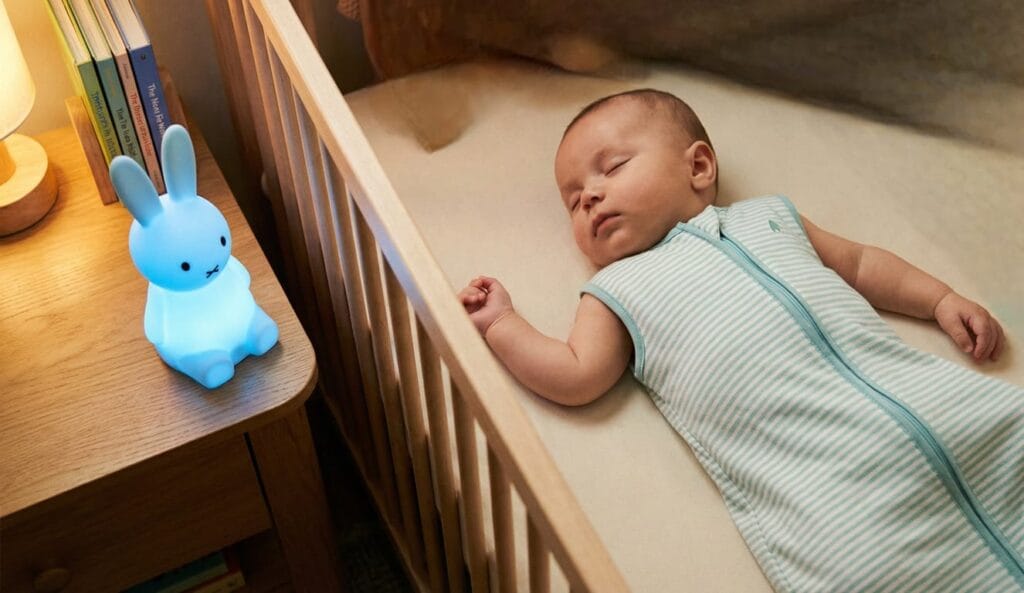
Safe swaddling mimics the cozy feeling of the womb and helps calm the Moro (startle) reflex. While traditional blankets can work, a well-designed swaddle sack offers security without the risk of loose fabric.
Why This Swaddle Made Nights Easier:
The two-way zipper was a lifesaver during late-night diaper changes. I could unzip from the bottom, change the diaper quickly, and keep my baby warm and half-asleep. Breathable cotton fabric and room for healthy hip development made it both safe and practical.
👉 Find the zip-up swaddle we relied on
3. White Noise: Supporting Newborn Sleep Naturally
The womb is not silent—it’s filled with constant, rhythmic sounds. White noise helps replicate that environment while masking sudden household noises like doorbells or siblings.
My Reality Check:
In a house with five kids, silence isn’t realistic. A continuous white noise machine created a steady “sound blanket.” The most important feature for us was no auto shut-off, so sleep cycles weren’t interrupted by sudden silence.
👉 Explore the continuous white noise machine we use
4. Wearable Blankets for Safe Newborn Sleep
Once babies begin rolling or breaking free from the swaddle, loose blankets become unsafe. The American Academy of Pediatrics recommends wearable blankets or sleep sacks as a safer alternative.
Why This Gave Me Peace of Mind:
With my first baby, I constantly worried about blankets near her face. Switching to a 100% cotton sleep sack eliminated that anxiety. It stayed in place, provided comfortable warmth without overheating, and allowed easy nighttime diaper changes.
👉 Check out the cotton sleep sack we transitioned to
Creating a Calm and Safe Newbor
●Sleep Environment
●Keep the room comfortably cool
●Use a gentle pre-sleep routine like a warm bath or light massage
Dim lights and reduce stimulation 20–30 minutes before sleep
●Always place your baby on their back in a crib free of loose bedding, pillows, or toys
The Gentle Path Forward
- Watching sleepy cues: Red eyelids, slower movements, and zoning out are often early signs that a newborn is ready for sleep. Responding to these cues in time can help prevent overtiredness.
- Day and night exposure: Natural daylight during the day, paired with very dim lighting at night, gently helps babies begin to recognize the difference between day and night over time.
- Responsive feeding: Feeding on demand, especially in the early weeks, supports better sleep by meeting your baby’s needs before hunger leads to overstimulation or overtiredness.
- Calm handling before sleep: Slower movements, quiet voices, and minimal stimulation before sleep can make a noticeable difference in how easily a newborn settles.
- Consistency, not schedules: Repeating the same sleep cues—such as a dark room, white noise, or a gentle routine—often matters more than following strict timing or schedules
Newborn sleep is a journey, not a destination. By stepping away from strict schedules and focusing instead on responsive care and a supportive sleep environment, you can reduce stress for both you and your baby. These are the tools and approaches that helped our family navigate the early months with more rest and less anxiety.
This phase is temporary, and you’re learning alongside your unique child.
What was the one small change that helped improve your newborn’s sleep?
Is your baby uncomfortable from gas or reflux?
When babies seem fussy after feeding, many parents feel unsure what might help. This gentle cheat sheet summarizes simple techniques commonly tried by parents, along with research-aligned tips often recommended in pediatric guidance.
- Simple soothing techniques many moms try
- Helpful feeding and positioning reminders
- A quick reference guide for stressful moments