Essential Breastfeeding Products & Tips for Nursing Moms: Pumps, Pillows, Pads & Nursing Wear
Dearest new mom, as you prepare for the journey of motherhood, you might have questions about breastfeeding and nursing your baby—a path full of unique emotions and unexpected turns. The early weeks can feel overwhelming as you navigate physical changes like engorgement, cracked nipples, and adjusting your milk supply, along with emotional shifts.
In this guide, we’ll walk alongside you through what to expect during the first weeks of breastfeeding and share practical tips, including essential breastfeeding tools like pumps, nursing pillows, breastfeeding pads, and nursing clothes, to make your journey easier. Our goal is for you to feel prepared and reassured, knowing simple solutions exist so you can focus on building a loving bond with your baby with confidence and comfort.
Disclosure: This post contains affiliate links. If you purchase through these links, we may earn a small commission at no extra cost to you.
Low Milk Supply in the First Days
In the first few days after birth, it’s completely normal to feel concerned about how much milk you’re producing. Your baby’s needs are actually very small at this stage, especially when it comes to the nutrient-rich colostrum.
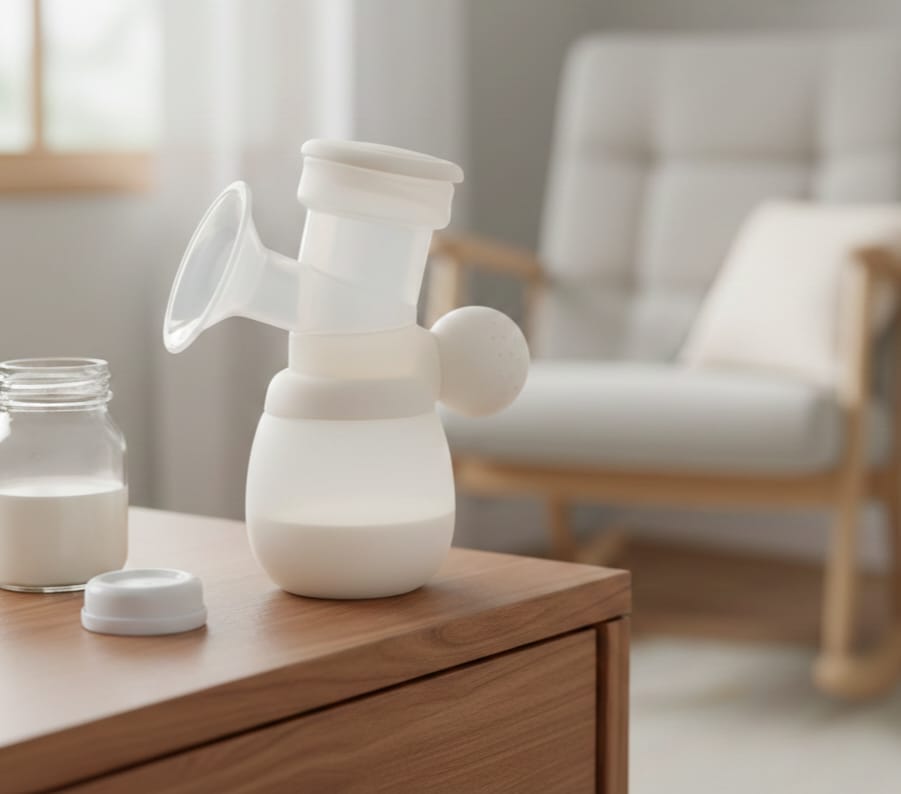
Many new moms find that using a hands-on manual pump or an electric pump a few times a day can be really helpful. These pumps are practical, easy to use, and excellent for gently stimulating milk production without overdoing it. Always follow the instructions and use them in moderation.
Pairing pumping with simple diet and hydration habits can make a big difference. For detailed guidance on what to eat, what to avoid, and a handy breastfeeding nutrition checklist, see our 👉🏼 Breastfeeding Diet Guide: Foods to Eat, Foods to Avoid & Milk Supply Tips for Nursing Moms.
Cracked Nipples
Many new moms experience cracked or sore nipples during the first weeks of breastfeeding, especially if the baby’s latch isn’t perfect or the skin is sensitive, making feeding painful at times.
Experiences & Advice from Moms: Many new moms find that neglecting nipple care can lead to discomfort during the first days of breastfeeding. Starting to moisturize the nipples in the third trimester, before delivery, can help prevent pain.
To soothe and protect the nipples, using a safe, organic nipple cream designed for nursing moms often makes a big difference, keeping the skin moisturized and comfortable during feeds.
👉🏼 You can check this recommended organic nipple cream on Amazon here to keep your nipples nourished and pain-free.
Managing Heavy Milk Flow in the First Weeks
After the first few days, many new moms notice a significant increase in milk flow during feedings, especially at night. This “let-down” can leave you feeling soaked and uncomfortable, making sleep more challenging. This heavier milk flow usually continues for the first 2–3 months postpartum, gradually adjusting to your baby’s needs.
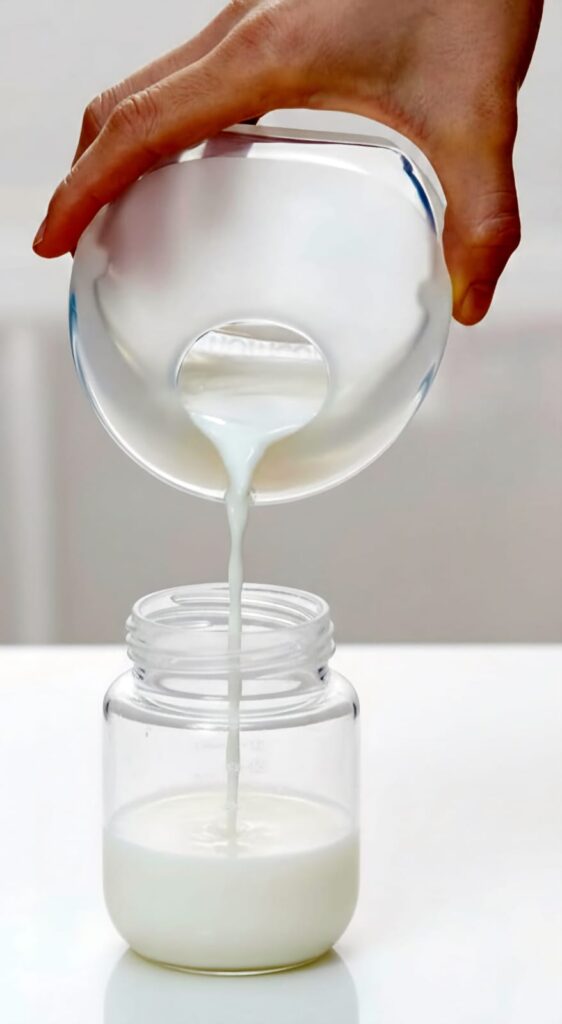
A practical solution is to use reusable, washable breastfeeding pads. These pads are soft, absorbent, and eco-friendly, keeping you dry and comfortable without constant changing. Another handy tool for moms is a milk saver, which catches and stores extra milk that might otherwise leak, making it perfect for use during sleep or when milk flow is heavy.
👉🏼 You can check recommended washable breastfeeding pads and Momcozy milk savers on Amazon here.
Pairing these pads and milk savers with proper nursing positions and gentle pumping when needed can help manage oversupply while keeping both you and your baby comfortable.
Engorgement :Sore, Full Breasts
In the first weeks of breastfeeding, it’s common to experience breast engorgement, where your breasts feel overly full, firm, and sometimes painful. You might even notice a slight rise in temperature — which is usually normal as your body adjusts. According to USDA’s WIC Breastfeeding Support, breast engorgement is a common issue in early breastfeeding and there are simple ways to manage it
To ease discomfort, try gentle breast massage, warm or cold compresses, and proper nursing positions to help your baby latch effectively. Using breast compress packs that can be heated or chilled is a practical way to soothe soreness and reduce swelling — whether you prefer warmth before feeding to help milk flow or cooling afterward to calm inflammation.
👉🏼You can check recommended breast compress packs on Amazon here.
Occasionally expressing a small amount of milk — either by hand or with a pump — can also help relieve pressure and make breastfeeding more comfortable
Physical & Emotional Changes
In the first weeks of breastfeeding, your body and emotions are going through big changes. Hormones are adjusting, your breasts might feel full or sore, and mood swings or fatigue are completely normal.
It’s important to ask for support early — from your partner, family, or friends — and not feel embarrassed about needing help. Whether it’s for household tasks, holding the baby while you rest, or just a comforting word, getting support makes a huge difference in your breastfeeding journey.
Remember: these changes are temporary, and as your body adapts, things will gradually get easier.
Practical Tips for Easier Breastfeeding
- Follow a balanced diet & stay hydrated — check your detailed guide here: Breastfeeding Diet Guide
- Wear a supportive nursing bra for comfort and easier feeding
- Use nursing-friendly tops that allow easy access for breastfeeding
- Using a comfortable nursing pillow can support proper feeding positions, reduce shoulder and arm pain, and make breastfeeding easier overall. We’ve picked an excellent option for you with a removable cover and baby safety certification. According to the brand, this nursing pillow is used by over 300,000 moms.
👉🏼. Shop recommended nursing pillows on Amazon
💜A Little Encouragement for New Moms
The first days of breastfeeding can feel a bit challenging and full of little obstacles. But remember this phase is temporary — your body and baby will gradually settle into a rhythm. Soon, you’ll feel more confident, comfortable, and in tune with your new routine. Be proud of yourself for all that you’re doing, and enjoy the precious moments with your baby — they pass by faster than you think!
💜Frequently Asked Questions (FAQ)
Q1: How long does breast engorgement usually last?
A: Typically, engorgement peaks in the first few days after your milk comes in and gradually eases as your body adjusts, usually within 2–3 weeks.
Q2: Is it normal to feel overwhelmed or emotional during the first weeks?
A: Yes! Hormonal changes and sleep deprivation can affect your emotions. Asking for help and talking with supportive friends or family can make a big difference.
Is your baby uncomfortable from gas or reflux?
When babies seem fussy after feeding, many parents feel unsure what might help. This gentle cheat sheet summarizes simple techniques commonly tried by parents, along with research-aligned tips often recommended in pediatric guidance.
- Simple soothing techniques many moms try
- Helpful feeding and positioning reminders
- A quick reference guide for stressful moments