What Triggers Baby Eczema? 9 Common Causes That Make Baby Eczema Worse (And How to Prevent Flare-Ups)
If you’re wondering what triggers baby eczema, you’re not alone. Many parents notice that their baby’s skin suddenly becomes red, dry, and itchy — even when they’re using a gentle cream.
Understanding what triggers baby eczema is often the missing piece in calming baby eczema flare-ups and preventing them from coming back.
Baby eczema doesn’t usually get worse for no reason. In fact, most baby eczema flare-ups are linked to specific triggers like dry air, harsh soaps, heat, sweat, or certain fabrics. Once you identify what triggers baby eczema in your child, it becomes much easier to protect their sensitive skin and reduce irritation.
In this guide, we’ll break down the most common causes, explain what makes baby eczema worse, and share simple ways to prevent future baby eczema flare-ups.
1️⃣ Dry Skin: The #1 Trigger Behind Baby Eczema Flare-Ups
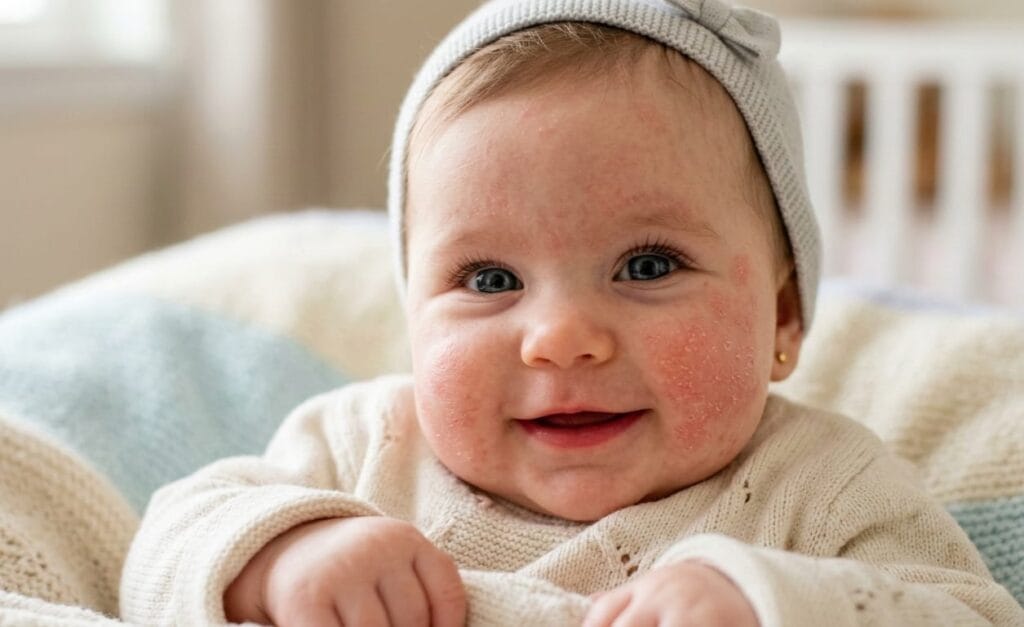
One of the most common answers to the question “what triggers baby eczema” is surprisingly simple: dry skin.
Baby skin is thinner and more sensitive than adult skin, which means it loses moisture quickly. When a baby’s skin becomes dry, it can feel tight, itchy, and uncomfortable — and this often sparks the dreaded itch-scratch cycle, leading to repeated baby eczema flare-ups.
The good news is that keeping your baby’s skin hydrated can make a huge difference.
Applying a thick, fragrance-free cream after every bath helps lock in moisture and strengthen the skin barrier.
A top choice recommended by pediatricians is CeraVe Baby Eczema Relief Cream.
Its ingredients — including colloidal oatmeal, vitamin E, and ceramides — help:
- Soothe irritated skin
- Calm itching
- Strengthen the skin barrier
- Help prevent baby eczema flare-ups
Discover the best baby eczema products that keep sensitive skin calm and hydrated — click here to see our top picks!
2️⃣ Heat & Sweat: Keeping Baby Comfortable
Excess heat and sweat can easily trigger baby eczema flare-ups.
When babies get too warm, their skin can become irritated and itchy. Overheating is especially common during naps, bedtime, or when babies are overdressed.
To help prevent irritation:
- Dress your baby in lightweight, breathable fabrics like cotton
- Avoid overdressing, especially during sleep
- Keep the nursery cool and well ventilated
Using a humidifier in your baby’s room can also help maintain gentle moisture in the air. This reduces dryness and helps calm sensitive skin, which can lower the risk of baby eczema flare-ups.
Keep your baby’s skin calm and hydrated! We’ve selected the AquaOasis Cool-Mist Humidifier — high quality, budget-friendly, and perfect for preventing baby eczema flare-ups.
3️⃣ Gentle Bathing Tips to Prevent Dry Skin
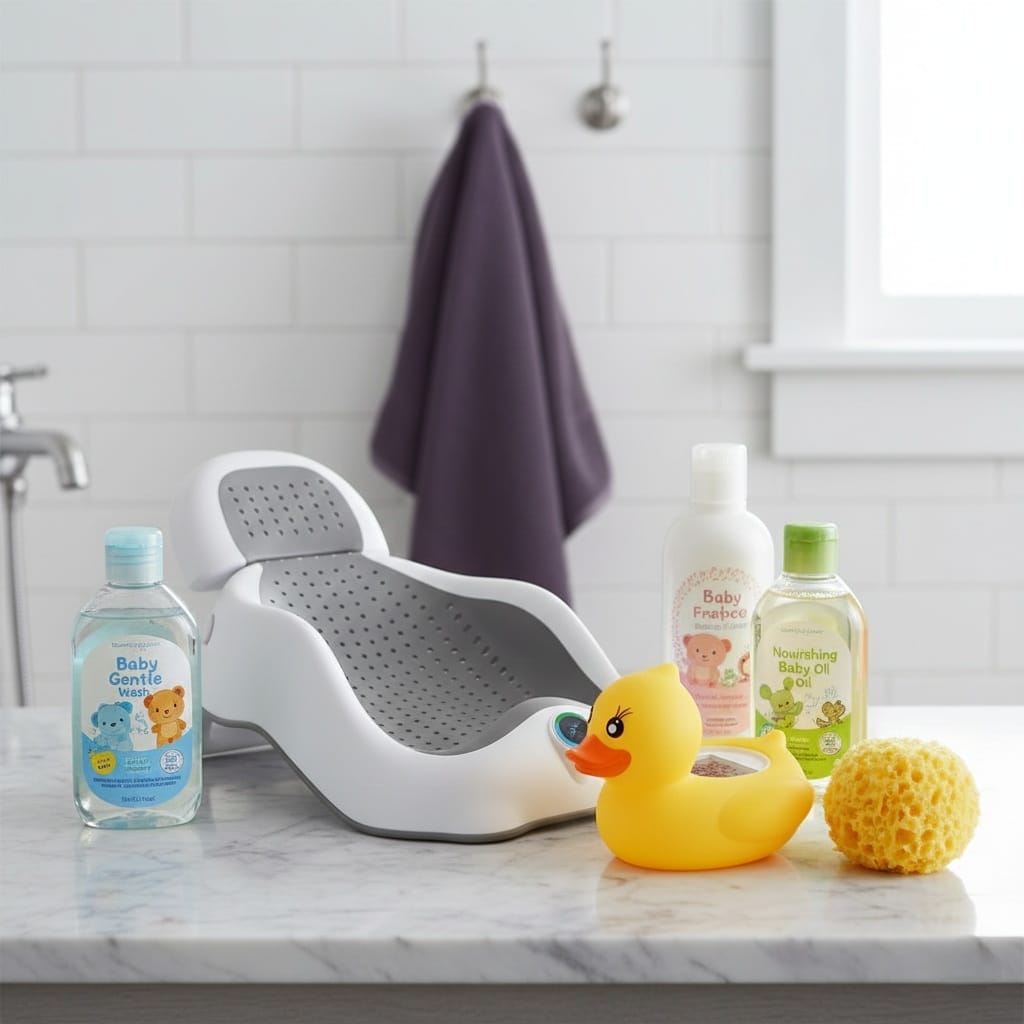
How you bathe your baby can make a big difference in preventing baby eczema flare-ups.
Harsh soaps and long, hot baths strip the skin of natural oils, leaving it dry and irritated.
To protect delicate baby skin:
- Choose soap-free cleansers
- Use fragrance-free formulas
- Keep bath time short (5–10 minutes)
- Use lukewarm water instead of hot water
Gentle cleanser options include:
- Cetaphil Baby Wash & Shampoo Plus Body Lotion
- Evereden Baby Shampoo & Body Wash 2-in-1
- Aveeno Baby Eczema Therapy Moisturizing Wash
After the bath:
- Apply moisturizer immediately
- Pat the skin dry instead of rubbing
You can also apply a small amount of Weleda Baby Calendula Body Oil while the skin is still slightly damp to lock in moisture.
Keep your baby’s skin soft and soothed with Weleda Baby Tummy Oil — natural, gentle, and perfect for sensitive skin prone to baby eczema flare-ups.
These simple steps help keep skin soft and comfortable while reducing baby eczema flare-ups.
4️⃣ Laundry Detergents & Fabrics: What Makes Baby Eczema Worse
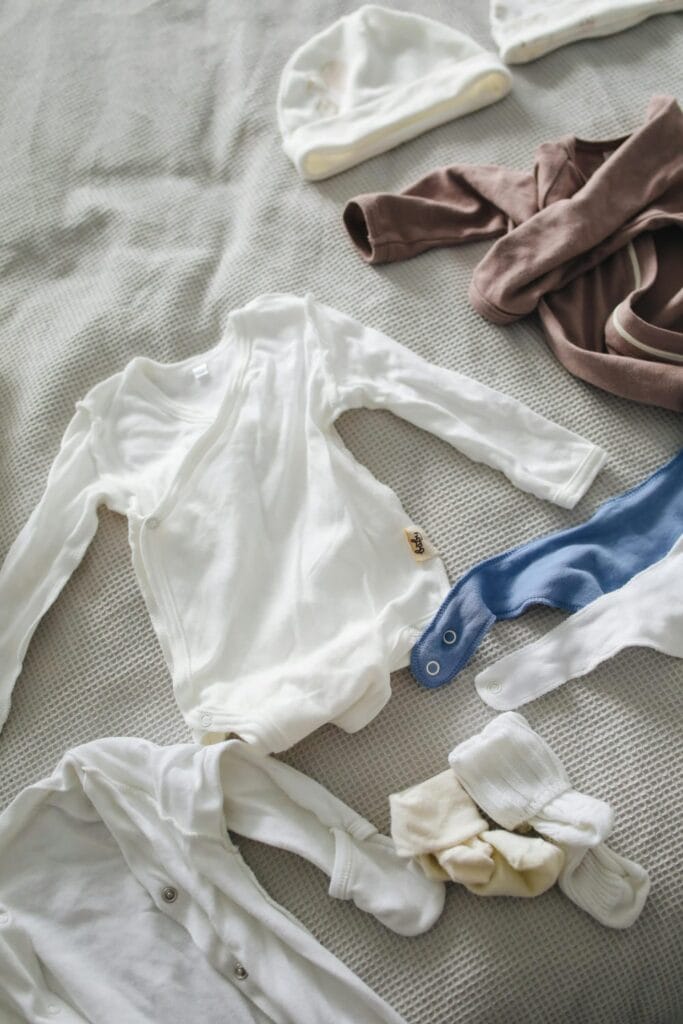
Certain fabrics and laundry products can trigger baby eczema flare-ups.
Common irritants include:
- Wool
- Synthetic fabrics
- Scented detergents
- Fabric softeners
These can leave residues that irritate delicate skin.
To protect your baby:
- Dress them in soft cotton clothing
- Wash clothes using fragrance-free detergents
- Avoid fabric softeners
- Rinse clothing thoroughly
Gentle laundry detergent options include:
Using fragrance-free detergents is one of the easiest ways to reduce irritation and prevent baby eczema flare-ups.
5️⃣ Food Triggers (But Not Always!)

For most babies, food is not the main trigger of eczema.
However, some infants may react to:
- Cow’s milk protein
- Certain foods in a breastfeeding mother’s diet
Signs may include baby eczema flare-ups that appear shortly after feeding.
If you suspect food may be involved:
- Keep a simple food diary
- Track when flare-ups occur
- Talk to your pediatrician before making diet changes
Remember, most baby eczema flare-ups are caused by skin dryness or irritation — not diet alone.
6️⃣ Illness & Teething
Illness and teething can sometimes worsen eczema.
During these times babies may experience:
- Fever
- Extra drooling
- Fussiness
- Increased scratching
These can irritate already sensitive skin and trigger baby eczema flare-ups.
Helpful prevention tips include:
- Keeping baby skin moisturized
- Gently wiping drool
- Keeping baby’s nails short
These small steps can prevent minor triggers from turning into bigger baby eczema flare-ups.
7️⃣ Environmental Allergens
Environmental allergens can sometimes irritate sensitive baby skin.
Common triggers include:
- Dust mites
- Pet dander
- Pollen
Reducing exposure can help prevent baby eczema flare-ups.
Helpful habits include:
- Vacuuming regularly
- Washing bedding often
- Keeping the nursery clean
- Limiting pet contact during flare-ups
8️⃣ Skin Products & Fragrances
Some lotions, soaps, and creams contain fragrances or harsh chemicals that irritate baby skin.
These ingredients can trigger baby eczema flare-ups, especially in babies with very sensitive skin.
To protect your baby:
- Choose fragrance-free skincare products
- Avoid harsh soaps
- Use hypoallergenic creams and cleansers
Trusted gentle skincare brands include:
Using fragrance-free skincare products greatly reduces irritation and helps prevent baby eczema flare-ups.
9️⃣ When to See a Pediatrician
Sometimes eczema requires medical guidance.
Contact your pediatrician if:
- Eczema covers large areas of skin
- The rash becomes very red or itchy
- Signs of infection appear (pus, oozing, crusting)
- Baby eczema flare-ups do not improve with home care
Early guidance helps ensure safe treatment and keeps your baby comfortable and healthy.
💜 Conclusion: Keep Baby Eczema Flare-Ups Under Control
The good news is that many baby eczema flare-ups can be prevented with simple daily habits.
Key steps include:
- Moisturizing skin consistently (using creams like CeraVe)
- Using gentle baths and cleansers
- Dressing baby in soft, breathable fabrics
- Maintaining healthy humidity with a humidifier
- Watching for small triggers like teething or illness
With the right routine, you can keep your baby’s skin soft, comfortable, and calm — making eczema much easier to manage for both baby and parent.
Disclaimer
This article is for informational purposes only and is not medical advice. Always consult your pediatrician or a qualified healthcare professional regarding any concerns about your baby’s skin or eczema treatment.
The recommendations and products mentioned are based on general research and parenting experience, and may not be suitable for every child.
Is your baby uncomfortable from gas or reflux?
When babies seem fussy after feeding, many parents feel unsure what might help. This gentle cheat sheet summarizes simple techniques commonly tried by parents, along with research-aligned tips often recommended in pediatric guidance.
- Simple soothing techniques many moms try
- Helpful feeding and positioning reminders
- A quick reference guide for stressful moments